The copyright of this article belongs to Siansonic Technology.The production is prohibited without permission.
In an era of rapid technological advancement, various sensors serve as the "sensitive tentacles" of the tech world, deeply penetrating industrial production, healthcare, scientific research, and many other fields, providing critical data support for precise monitoring and intelligent control. Within this vast sensor family, the ultrasonic bubble detector has emerged from behind the scenes to the forefront, thanks to its distinctive detection principle and outstanding performance. It has become a focal point for researchers and engineers, using its "compact form" to drive efficient operations across multiple key fields.
Detection Core: Unlocking the Secrets of Bubbles Through Acoustic Properties
The working logic of the ultrasonic bubble detector is fundamentally rooted in the differences in propagation characteristics of ultrasonic waves in different media. When ultrasonic waves propagate through a pure liquid, their propagation speed and energy attenuation remain stable. However, once bubbles enter the liquid, this equilibrium is disrupted — the acoustic impedance, density, and other key properties of gas and liquid are fundamentally different, and the presence of bubbles drastically alters the propagation path and energy distribution of the ultrasonic waves.
The transmitter of the ultrasonic bubble detector continuously emits ultrasonic signals at a specific frequency. When these signals encounter bubbles in the fluid path, part of the energy is reflected by the bubble surfaces, while another part undergoes significant energy attenuation due to scattering and absorption by the bubbles. As a result, the signal received at the receiver differs noticeably from that obtained in the absence of bubbles. By analyzing key parameters such as signal intensity changes, phase shifts, and frequency fluctuations through specialized algorithms, the ultrasonic bubble detector can not only accurately determine whether bubbles exist in the fluid path but also achieve quantitative analysis of bubble size, quantity, and distribution, completing the monitoring of "invisible bubbles".
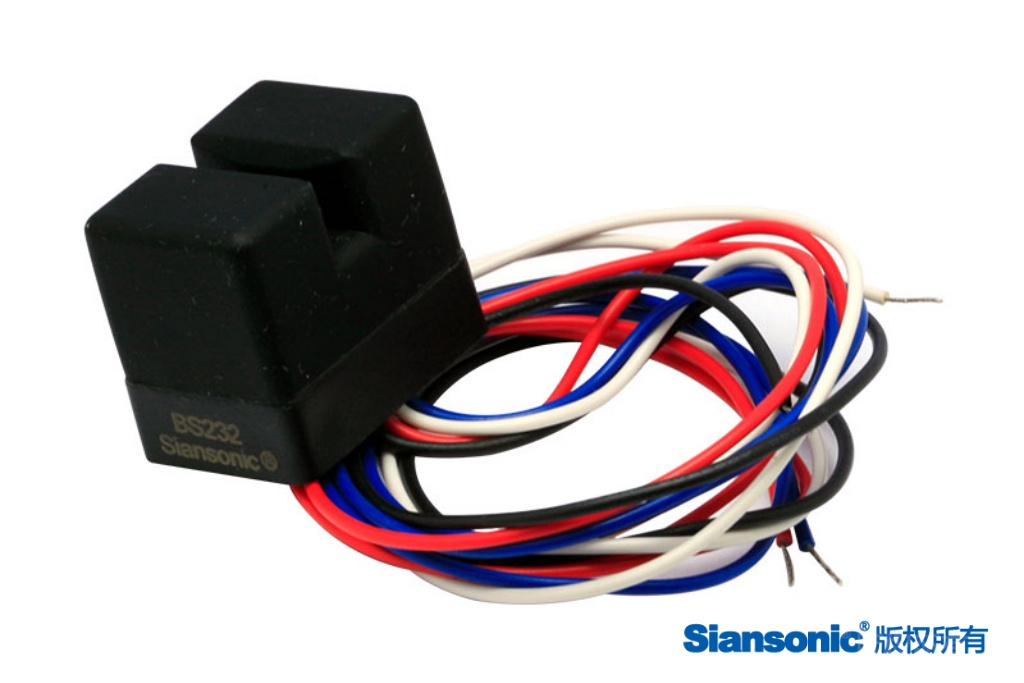
Figure 1.Siansonic Ultrasonic Bubble Detector
Core Advantages: Non-Contact Design Empowers Diverse Scenarios
The core competitiveness of the ultrasonic bubble detector is reflected in the combination of multiple advantages:
Excellent Performance: Combining high sensitivity, fast response speed, and strong environmental adaptability, it can meet detection requirements under complex working conditions.
Innovative Design: Adopting a non-contact detection solution, it does not require direct contact with the liquid being detected — this not only avoids contamination and corrosion of the detector by the liquid, effectively extending its service life, but also does not interfere with the chemical composition or physical properties of the liquid, ensuring the stability of the measured system.
Broad Adaptability: With its "pollution-free, interference-free" characteristics, the ultrasonic bubble detector demonstrates outstanding application advantages in scenarios such as medium monitoring in chemical production, infusion safety in the medical field, and hydraulic oil detection in precision manufacturing, solving many pain points of traditional contact-based detection.
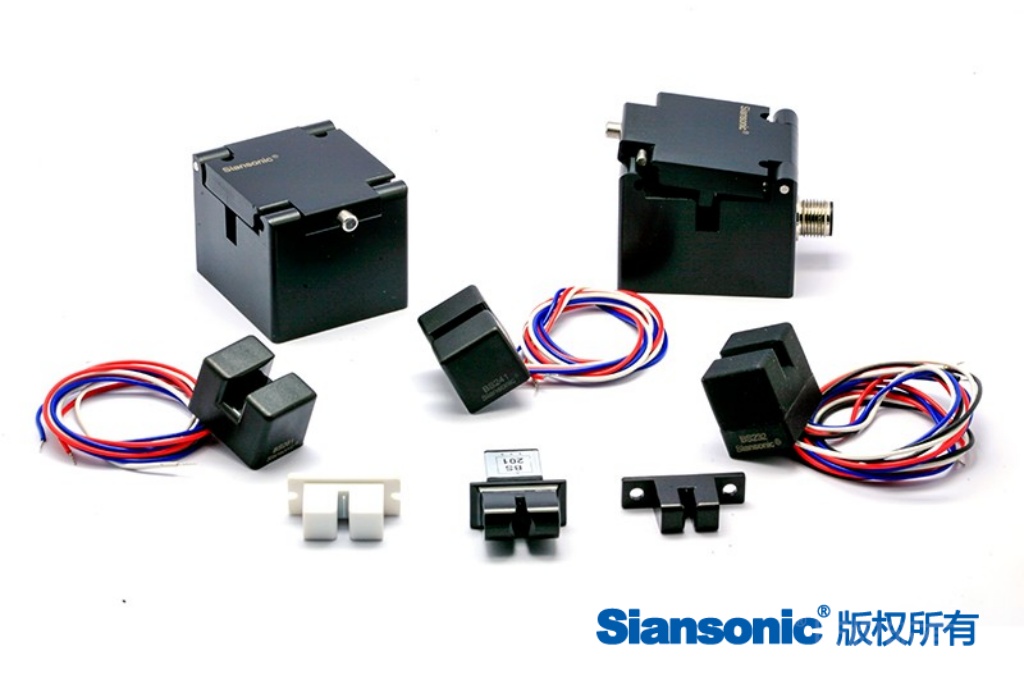
Figure 2.Various Types of Siansonic Ultrasonic Bubble Detectors
Development and Outlook: The Great Future Potential of a Small Component
With continuous technological progress, the technical iteration of the ultrasonic bubble detector has never stopped: detection precision continues to break new ground, volume evolves toward miniaturization, power consumption continues to decrease, and its integration with Internet of Things (IoT) and artificial intelligence technologies grows increasingly close, achieving an upgrade from "simple detection" to "intelligent analysis".
Today, this "small component" has assumed a critical role in numerous fields: in the medical field, it serves as a "safety guardian" in scenarios such as infusion and hemodialysis, effectively preventing risks caused by bubbles entering the human body; in the chemical field, it provides precise monitoring of liquid levels and bubble content in reactors and pipeline transportation, ensuring stable production processes; in scientific research experiments, it facilitates micro-medium analysis, providing reliable data support for research.
In the future, with continuous innovation and improvement of technology, the ultrasonic bubble detector will expand into broader application spaces in emerging fields such as new energy, biomedicine, and high-end equipment, continuously releasing the practical value of this "small component" and injecting strong momentum into the high-quality development of all industries


