The copyright of this article belongs to Siansonic Technology.The production is prohibited without permission.
When we talk about ultrasound technology, many people first think of prenatal ultrasound scans for expectant mothers. Today, however, we will introduce a more sophisticated ultrasound technology — the FUS transducer. Like an invisible "ultrasound scalpel", it is bringing brand-new breakthroughs in medical and industrial fields.
Core Technologies
The core of the FUS transducer lies in two key processes: "energy conversion" and "precision focusing".
The Magic of Energy Conversion: Piezoelectric Effect
It all began with the piezoelectric effect discovered more than a century ago. When an alternating electric field is applied to special piezoelectric materials, these materials undergo subtle periodic expansion-contraction deformation, much like a tiny piston vibrating continuously. As this mechanical vibration propagates through a medium, it generates what we call ultrasound waves.
The Art of Precision Focusing: Geometric Focusing
Emitting ultrasound waves is only the first step; the key lies in precisely concentrating such energy onto a target point. One relatively simple focusing method is geometric focusing. Piezoelectric elements are fabricated into concave shapes, similar to the reflector bowl of a flashlight, to naturally focus ultrasound onto a designated spot. Featuring a simple structure and stable, reliable focusing performance, this method is the preferred choice for many applications.
With technological advances, more sophisticated focusing approaches such as electronic focusing and acoustic lens focusing have emerged, further improving focusing accuracy and flexibility.
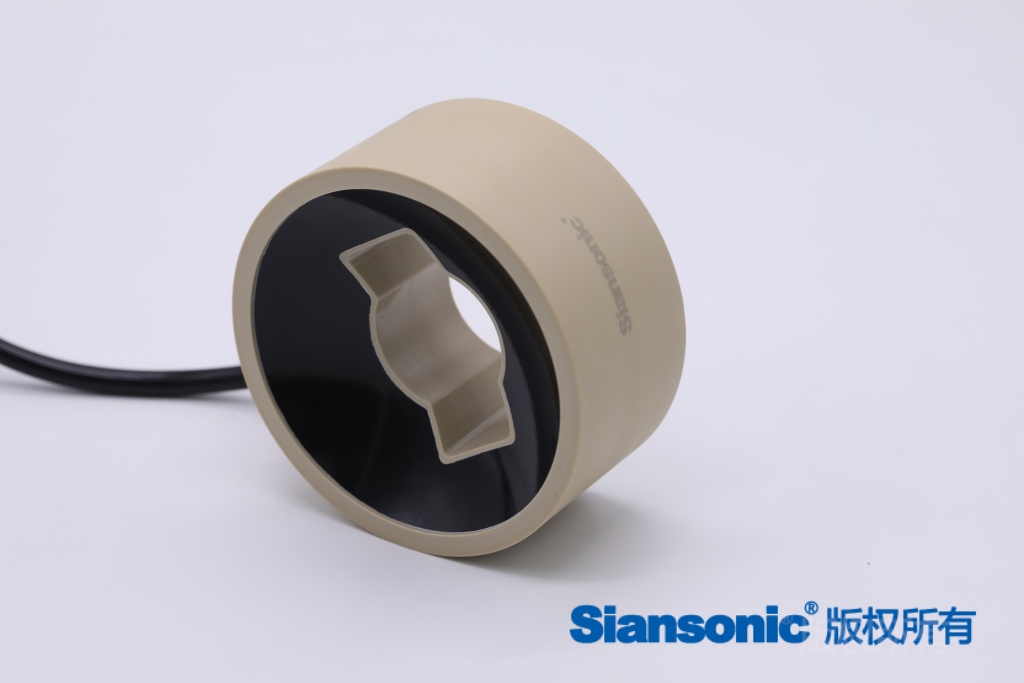
Figure 1.The HIFU transducer from Siansonic
Revolution in Medical Care
In the medical field, FUS transducers are driving transformative changes.
High-Intensity Focused Ultrasound (HIFU), commonly known as the "ultrasound scalpel", can precisely focus ultrasound onto tumor tissues inside the human body. Thermal and mechanical effects generated by ultrasound produce high temperatures to destroy lesioned tissues. Thanks to the highly concentrated energy, surrounding healthy tissues remain virtually unaffected. This represents a leap in therapeutic concepts from invasive, to minimally invasive, and ultimately non-invasive treatment.
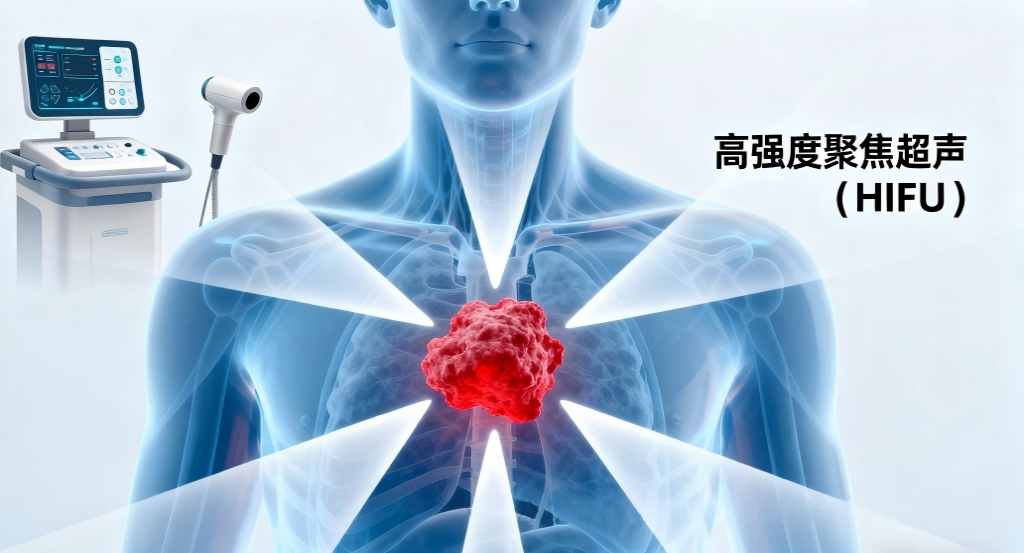
Figure 2. Schematic of HIFU focused‑ultrasound therapy
Precision Machining
In the field of material processing, FUS transducers can be applied to cutting processes. By focusing ultrasound energy on specific parts of materials, local heating and plastic deformation are achieved to accomplish precision cutting. Boasting high accuracy and a small heat-affected zone, this technique is especially suitable for processing precision materials and micro-devices.
Future Outlook
As an important component of ultrasound technology, FUS transducers have demonstrated broad application value across numerous sectors. With continuous advances in materials science, electronics and artificial intelligence, we have every reason to believe that FUS technology will advance toward greater precision, intelligence and efficiency.
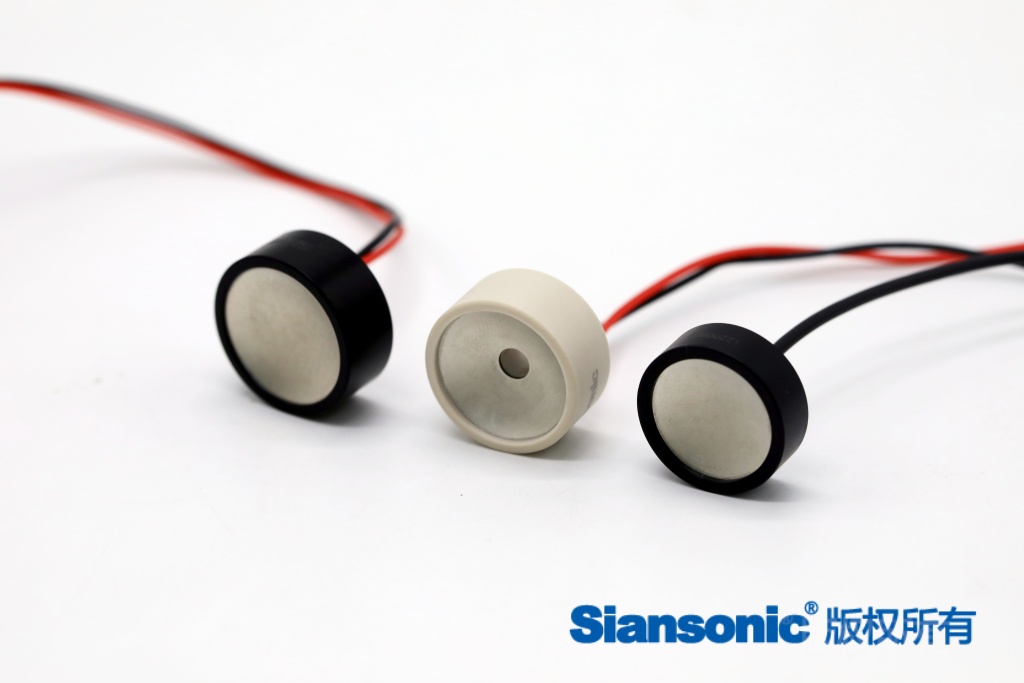
Figure 3. Sianonsic medical aesthetics used hifu transducer
In the future, we may witness smaller-sized FUS equipment, smarter focal-point control algorithms, as well as innovative applications in new fields including neuroscience and targeted drug delivery.
With its unique appeal, this invisible "ultrasound scalpel" is shining brightly on the stage of science and industry and quietly transforming our lives. Let us look forward to more possibilities brought by FUS technology!


