The copyright of this article belongs to Siansonic Technology.The production is prohibited without permission.
In the broad landscape of modern technology, the ultrasonic atomization transducer, as a key component, is quietly transforming the way many industries operate. From everyday air humidification to drug delivery in the medical field, and further to precision spraying in industrial production, this technology plays an important role across various sectors thanks to its unique working principle and stable, reliable performance.
Working Principle: High-Frequency Vibration, Micron-Level Atomization
The core technology of the ultrasonic atomization transducer is based on the piezoelectric effect of special materials. When a high-frequency alternating voltage is applied to piezoelectric materials (such as piezoelectric ceramics), these materials undergo corresponding mechanical deformation and vibrate continuously at ultrasonic frequencies.
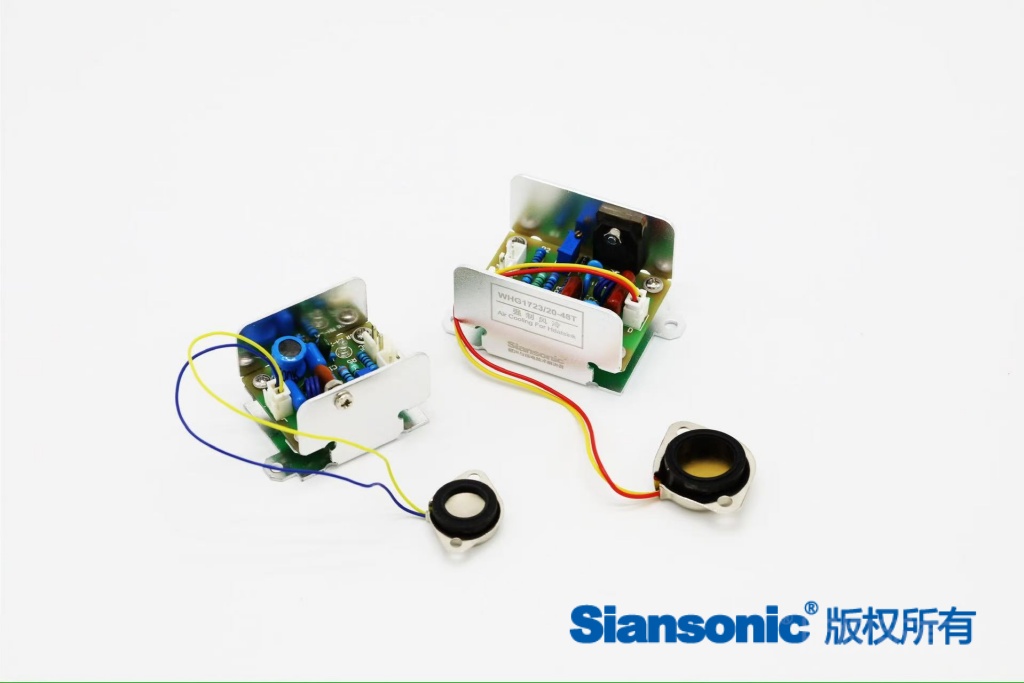
Figure 1. The ultrasonic atomizer kit of Siansonic
In atomization applications, the vibrating surface of the ultrasonic atomization transducer is in direct contact with the liquid. Through the energy generated by high-frequency vibration, molecules on the liquid surface are torn into tiny droplets. Since the vibration frequency is typically above 1 MHz, the resulting droplets are extremely small, usually at the micron level in diameter. These fine droplets not only achieve a delicate and uniform atomization effect but can also remain suspended in the air for extended periods.
Medical Applications: Controlled Drug Delivery, Adjuvant Therapy
Respiratory Diseases
In the medical field, the ultrasonic atomization transducer is the core component of nebulizers, widely used for respiratory diseases such as asthma, chronic obstructive pulmonary disease (COPD), and bronchitis. By converting drug solutions into tiny aerosol particles, patients can directly inhale the medication into their respiratory tract and lungs, helping to relieve respiratory discomfort and supporting the care of respiratory conditions.
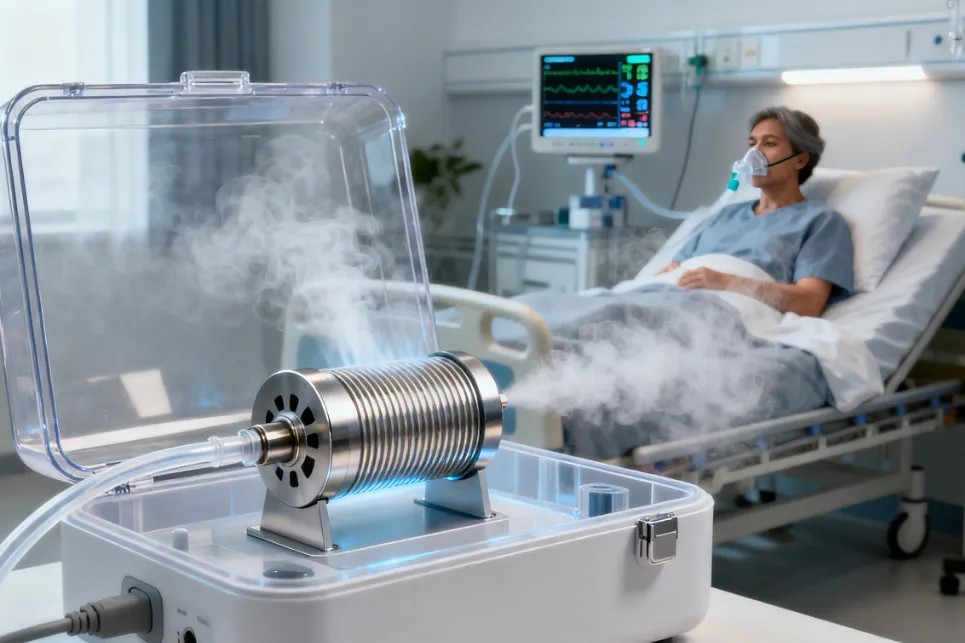
Figure 2.Hospital Nebulization Therapy
Targeted Drug Delivery Systems
Beyond conventional nebulization assistance, this technology is also applied in the research and development of novel drug delivery systems. In targeted treatment for pulmonary diseases, the ultrasonic atomization transducer can control droplet size and atomization volume, delivering drugs to specific regions. This approach not only improves drug absorption and utilization but also reduces damage to other organs, effectively minimizing adverse reactions.

Figure 3.Targeted Nebulization Therapy
Future Development: Innovation-Driven, Broad Prospects
With technological advancement, ultrasonic atomization transducer technology continues to innovate and evolve. Its atomization characteristics demonstrate broad application potential and market development space across multiple fields, including healthcare, industrial manufacturing, and environmental improvement. In the future, as materials science and manufacturing processes continue to break new ground, this technology will bring more innovative solutions to all industries.


